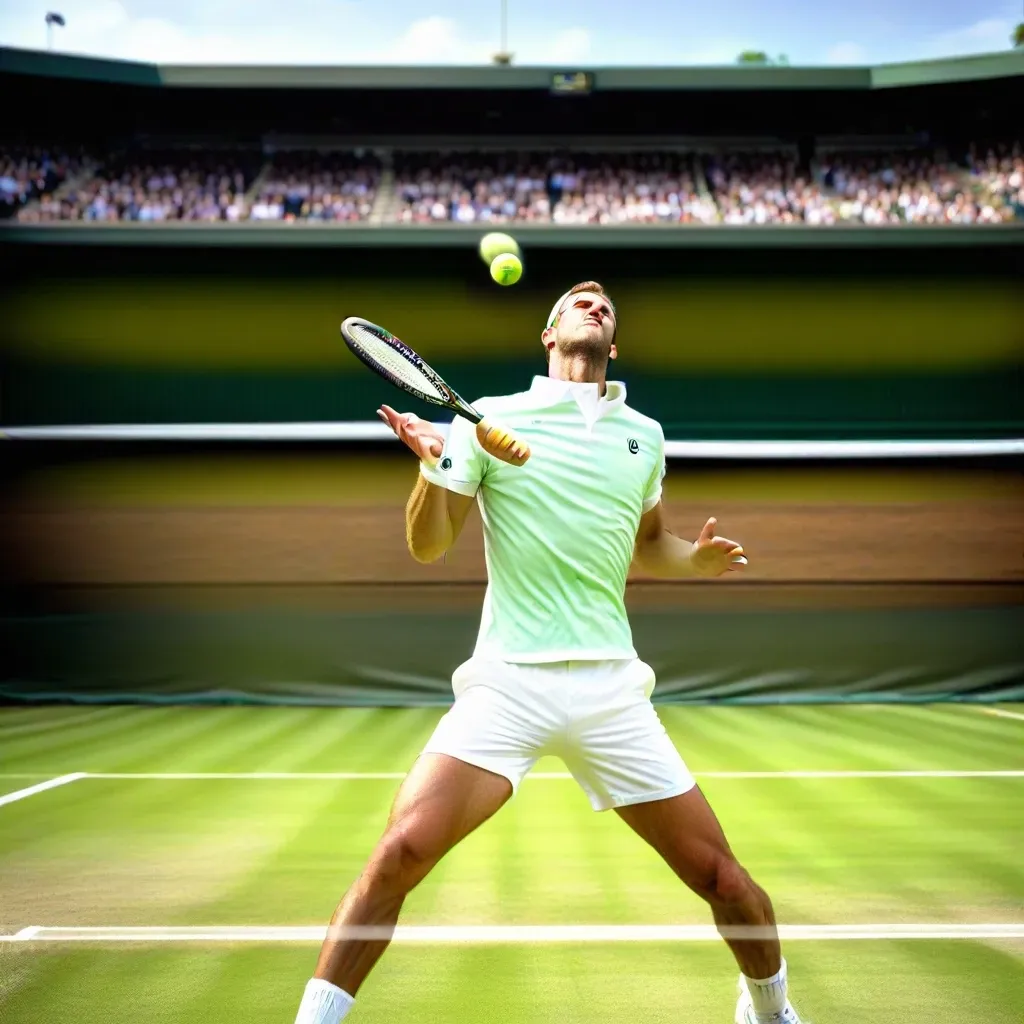
Wimbledon. The very name conjures images of pristine green lawns, strawberries and cream, and echoes of legendary matches. There’s a certain magic in the air at SW19, a palpable sense of history and tradition that sets it apart from every other Grand Slam. But that magic also breeds unpredictability, making the challenge of forecasting the champions of Wimbledon a thrilling, yet daunting, exercise.
I remember attending a smaller grass-court tournament years ago and being completely surprised by the way the ball skidded off the surface. Topspin, a player’s bread and butter on clay and hard courts, became almost useless. The bounce was low, the pace was quick, and suddenly players known for their baseline prowess were struggling against those with sharp volleys and instinctive net play. It was a complete reversal of fortunes, and a stark reminder of the power of the grass.
This year, as we look ahead to Wimbledon 2026, the burning question is: who will conquer the green lawns and lift the coveted trophies? Past upsets and surprise champions have taught us that anything is possible. This guide dives into expert insights, analyzing player form, historical data, and the unique nuances of grass-court tennis to provide you with the best possible predictions for the Wimbledon 2026 champions. Are you ready to delve into the fascinating world of Wimbledon predictions?
Understanding the Unique Demands of Grass
Grass courts present a drastically different tennis experience compared to clay or hard surfaces. The most immediate distinction is the court speed. Grass allows for incredibly fast-paced play, rewarding aggressive strategies and quick reflexes. The ball skids through the surface, resulting in a significantly lower bounce than what players typically encounter. This lower bounce fundamentally alters shot-making, court coverage, and overall match dynamics.
Due to these properties, a serve and volley style is highly effective. Players who can unleash powerful serves and then transition quickly to the net to cut off angles often dominate on grass. Flat hitting, prioritizing power and precision over heavy spin, also becomes more prevalent. The surface simply doesn’t reward the high-looping topspin shots that are so effective on clay.
Adapting to grass requires specific modifications to a player’s game. Stroke production needs to be flatter, emphasizing driving through the ball rather than lifting it. Court positioning needs to be more aggressive, readily taking balls on the rise. Movement is also key; adjusting to the slick and unpredictable surface is paramount for success. Players who can effectively read the bounce and anticipate their opponent’s shots are often the ones who thrive. For instance, think of players like Roger Federer, whose agility and effortless style enabled him to win countless matches on grass. Embracing aggressive net play and refining serve accuracy are fundamental aspects of any player’s grass-court strategy. Ultimately, mastering the subtle nuances of this surface distinguishes good players from grass-court champions.
The Serve is King
On grass, the serve transcends its usual importance and becomes the cornerstone of a winning strategy. A powerful, well-placed serve can dictate the entire point from the outset. The speed of the surface amplifies the serve’s velocity, making it incredibly difficult to return. Aces become significantly more frequent, and even when a return is made, it’s often weak and defensive, providing the server with an immediate advantage. Serve placement is critical; effectively targeting the opponent’s weaknesses with pinpoint accuracy can disrupt their rhythm and force errors. A high first serve percentage is also invaluable, as it minimizes the opportunities for opponents to attack. Players known for their dominant grass-court serves, like Pete Sampras, illustrate perfectly the impact that a well-executed serve can have on this fast-paced surface.
Mastering Movement on Grass
Moving effectively on grass is a unique challenge, demanding agility, balance, and a keen sense of anticipation. Unlike the predictable footing of hard courts or the forgiving slide of clay, grass can be slippery and uneven, making it easy to lose one’s footing. Short, quick steps are crucial for maintaining balance and reacting to the fast-paced rallies. A low center of gravity enhances stability, allowing players to change direction rapidly and cover the court efficiently. Anticipation is also key. Because the ball travels so quickly on grass, players need to anticipate their opponent’s shots and react accordingly. Footwork techniques must be adjusted to accommodate the surface’s slickness, focusing on maintaining balance and avoiding sudden, jerky movements. Players like Novak Djokovic, with his incredible court coverage and precise footwork, exemplify the importance of mastering movement on grass.
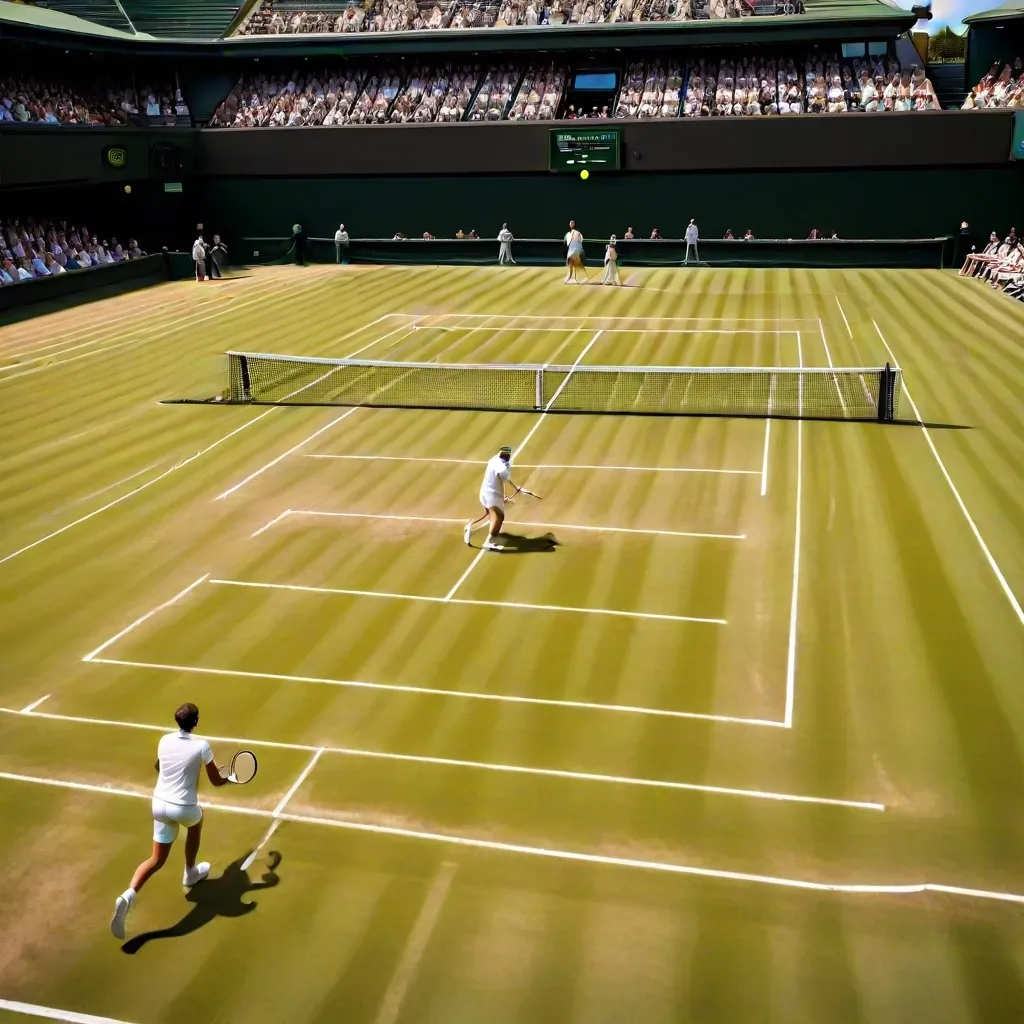
Key Contenders – Men’s Singles
The Wimbledon men’s singles draw is poised to be a thrilling contest, featuring a mix of established champions and rising stars. Analyzing the top contenders requires a deep dive into their strengths, weaknesses, grass court performance, and Wimbledon history. The favorites are separated from the pack by their ability to adapt to the unique demands of grass and handle the immense pressure of this historic tournament. Injuries and fitness concerns can drastically alter the landscape. The capacity to dominate crucial moments shapes the narrative, defining who will rise to the top.
Carlos Alcaraz – The Adaptable Phenom
Carlos Alcaraz’s game seems almost tailor-made for grass with a potent blend of power, agility, and court sense. His ability to generate pace off both wings, combined with crafty net play, makes him a constant threat. Alcaraz adapts seamlessly to any situation, as proven by his recent title at Queen’s Club and his thrilling French Open victory. His biggest obstacle may lie in managing the expectations that come with being a defending champion and dealing with the tactical adjustments opponents will make against him.
Jannik Sinner – The Relentless Baseliner
Jannik Sinner brings a rare combination of power and consistency to the court, backing it with the relentless baseline game. While grass may not be his preferred surface, his groundstrokes are powerful enough to penetrate any court. Sinner’s clean ball-striking and improved movement on grass are assets that cannot be dismissed. Sinner’s mental fortitude and ability to learn from his defeats are crucial. If Sinner can overcome the mental hurdle of his recent French Open loss, he will absolutely be a major contender at Wimbledon.
Key Contenders – Women’s Singles
The Wimbledon women’s singles draw promises fierce competition, with a host of talented players vying for the coveted title. Analyzing their strengths, weaknesses, and past performances on grass is crucial to understanding the potential champions. Several players have the skill and determination to lift the Venus Rosewater Dish.
Iga Swiatek – The Dominant Force
As the world’s top-ranked player, Iga Swiatek brings a powerful and versatile game to Wimbledon. Her aggressive forehand and solid backhand form the foundation of her attacking style. While clay has been her most successful surface, Swiatek’s court coverage and improving serve make her a threat on grass. Her mental fortitude is undeniable. The relatively quick transition from the French Open to Wimbledon could be a challenge. To triumph at Wimbledon, Swiatek will need to adapt her game to the nuances of the surface. A key will be flattening out her shots and taking advantage of opportunities to attack.
Aryna Sabalenka – The Powerhouse
Aryna Sabalenka’s game is built on sheer power. Her booming serve and aggressive groundstrokes can overwhelm opponents. Sabalenka has shown flashes of brilliance on grass. Her aggressive approach can be a double-edged sword, leading to unforced errors if not carefully controlled. Consistency is a must for Sabalenka. She needs to maintain accuracy while unleashing her powerful shots. Sabalenka’s Wimbledon chances hinge on harnessing her power and minimizing errors.
Dark Horses and Potential Upsets
Every year, Wimbledon serves up a delightful cocktail of familiar champions and unexpected disruptors. While the top seeds often dominate headlines, the allure of the tournament lies in spotting those dark horse players, the sleeper picks capable of staging Wimbledon upsets and rewriting the script. Looking back, upsets are part of the game. These surprise contenders, armed with unique skills or favorable circumstances, can transform the tournament’s landscape with a single, stunning victory. When tennis predictions fall flat, unexpected champions rises.
Ollie Tarvet – The Rising Star
Ollie Tarvet, the young British qualifier, embodies the dark horse spirit. Despite being ranked outside the top 700, Tarvet’s Wimbledon debut made headlines after defeating Leandro Riedi. Tarvet’s aggressive court presence and unwavering confidence make him a difficult opponent, regardless of ranking. With momentum on his side and the home crowd behind him, Tarvet has the potential to be the tournament’s rising star.
Arthur Fery – The Underdog
Arthur Fery is another Briton to watch. Fery, who had not been past the first round in his only two previous attempts, demonstrated his potential by upsetting 20th seed Alexei Popyrin. Fery’s powerful serve and aggressive baseline game are well-suited to grass courts, and if he can maintain consistency, he could very well produce another upset and continue his unexpected run.
Expert Prediction Methodology
Predicting match winners involves a multifaceted approach, diving deep into various influential elements. The core strategy incorporates a comprehensive tennis analysis where surface specifics, detailed data assessments, and performance reviews play leading roles. One also keeps a keen eye on both on-court and off-court behavior to provide more skillful match winner predictions. For instance, when forecasting a winner at Wimbledon, a meticulous analysis of a player’s historical performance on grass courts is paramount. This would be combined with recent match statistics and observations of their conduct during high-pressure moments. This strategic approach enhances the likelihood of accurate predictions.
Analyzing Data to Ensure Match Winner Predictions
Statistics form the backbone of informed match winner predictions. Key metrics, such as first serve percentage, break point conversion rates, and unforced error counts, need careful interpretation. However, an expert ensures critical thinking. For example, a player with a high first serve percentage might appear dominant, but this advantage diminishes if their second serve is weak and vulnerable to returns. This insight emphasizes how a nuanced understanding of statistics enhances the accuracy of forecasts.
What should you look for On & Off the court?
A player’s demeanor and actions, both during matches and away from the court, offer important clues. On-court behavior, such as managing pressure and maintaining composure, indicates their mental fortitude, while off-court discipline in training and personal life might be a strong signal of their dedication. A player who consistently demonstrates resilience and focus is likelier to perform well under pressure. Those mental skills, combined with rigorous preparation, will show the capacity necessary for going the distance.
Conclusion: Final Predictions and What to Watch For
The stage is set, the players are ready, and the grass is freshly cut. It’s time for final Wimbledon predictions. On the men’s side, anticipate Novak Djokovic continuing his reign. His experience and adaptability on grass give him a significant edge. For the women, keep an eye on Iga Swiatek. If she finds her footing on the surface, her dominance could be unstoppable.
Beyond the top seeds, Wimbledon is always ripe for surprises. Pay attention to the early rounds, where rising stars often make their mark. Stylistic matchups can also be crucial – a big server against a strong returner, or a baseline grinder against an aggressive net player. These clashes often produce thrilling tennis and unexpected results. Possible upsets could come from players who thrive on grass and have a fearless attitude.
So, brace yourself for upsets, stunning rallies, and unforgettable moments. Follow the tournament closely and see if these predictions hold true. It’s going to be a great tournament!